 Menu
Menu Back
BackDrought Tolerant Landscaping
A drought tolerant landscape from Mystic Water Gardens uses about 50% less water than a traditional lawn and sprinkler setup, without giving up on a yard that looks finished. We design and install these ourselves, using California native plants, drip irrigation, and decomposed granite hardscaping. As an award-winning, nationally recognized landscape designer building 100% eco-friendly water features and landscapes, this kind of low-water design is central to how we work.
What Goes Into a Drought Tolerant Landscape Design
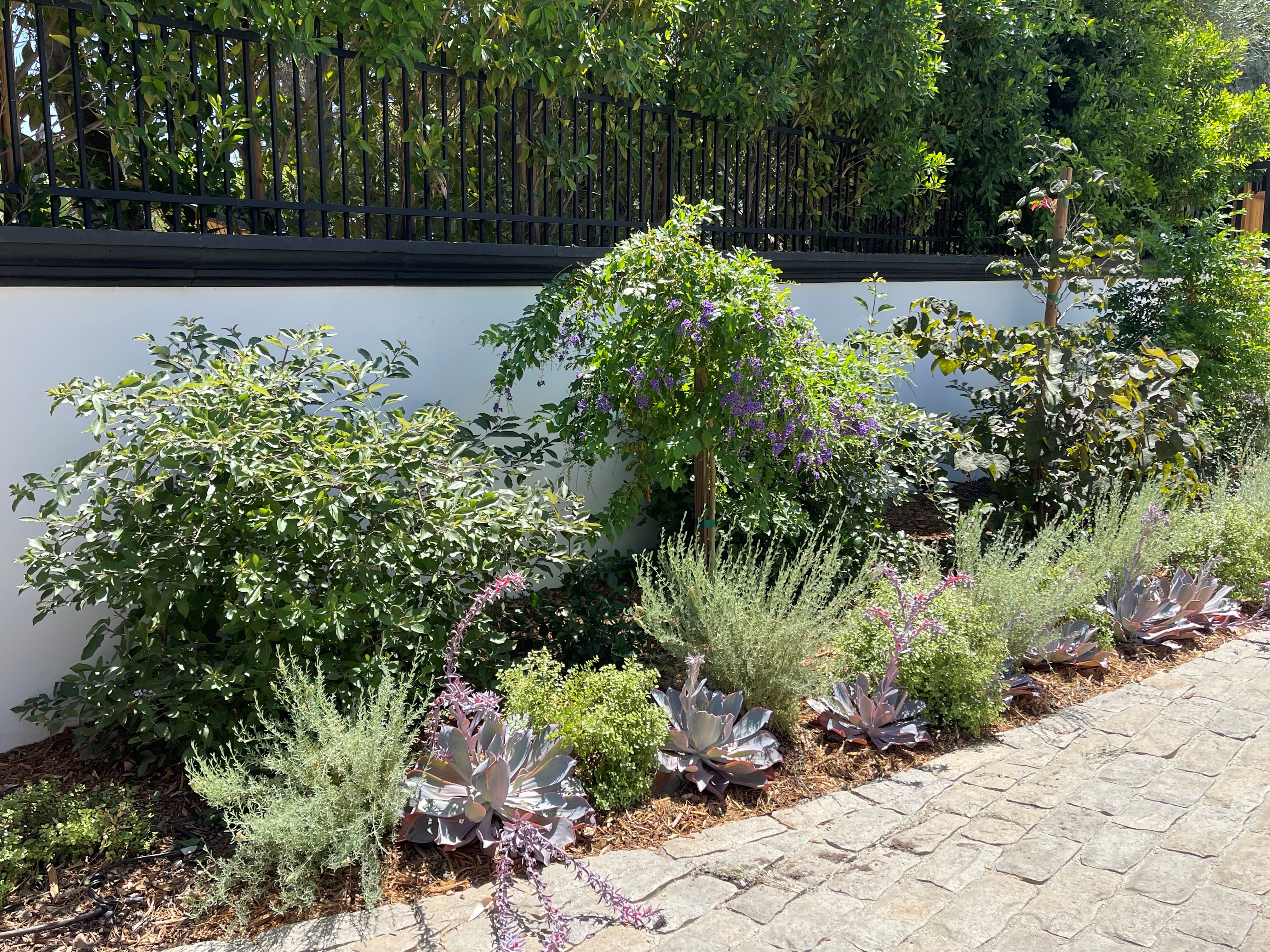
Every project starts with a conversation about how you actually use your yard, what isn't working with the current setup, and what kind of look you're after. From there, we put together a plan based on your property's specific conditions (sun exposure, slope, soil) rather than a one-size-fits-all plant list. Some homeowners want something modern and minimal: clean lines, native grasses, gravel or decomposed granite paths. Others want a fuller, more traditional garden with flowering perennials and succulents mixed in. Both directions work within a drought tolerant design, it's mainly the plant and material choices that shift.
Drought Tolerant Front Yard and Backyard Considerations
Front yards and backyards usually call for different priorities. A front yard is often the easiest place to start: swapping turf for native plantings and a decomposed granite or flagstone path can cut water use significantly without changing how you use the space day to day. Backyards tend to stay more functional, so we typically keep usable open areas intact and concentrate the drought tolerant planting beds, drip irrigation, and hardscape around the edges and high-visibility spots.
California Native Plants We Work With
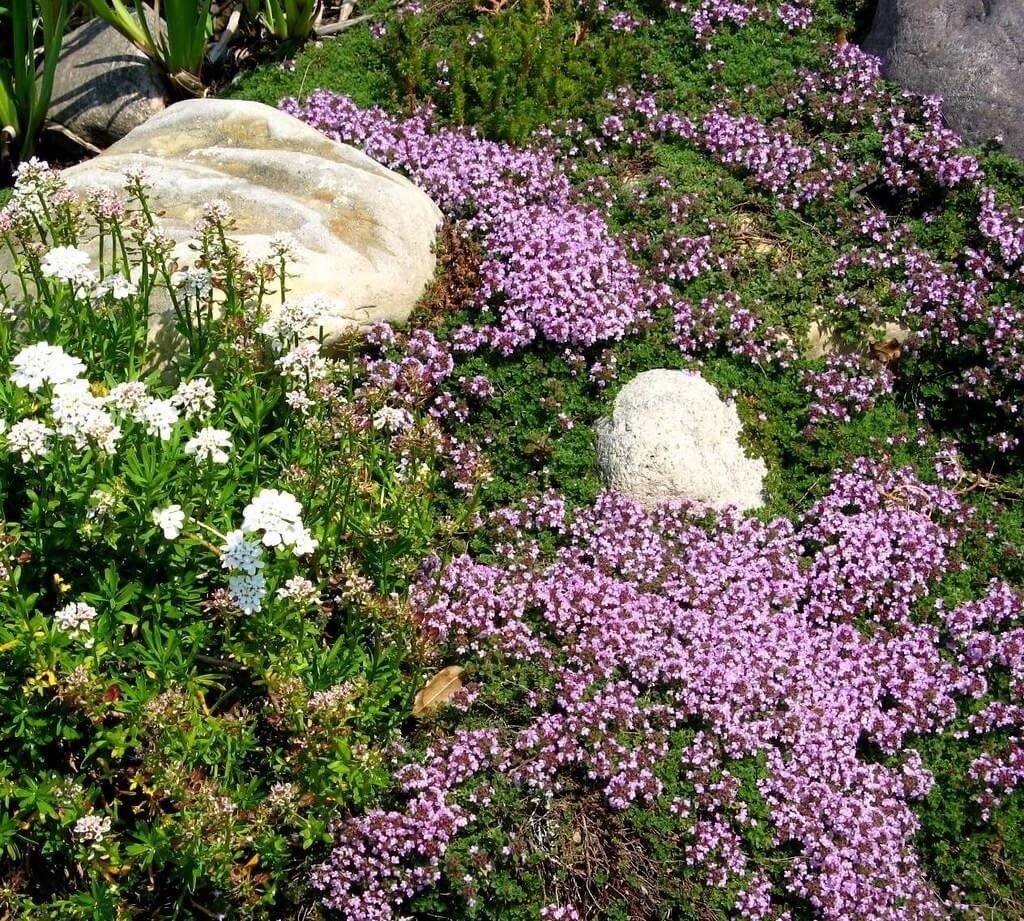
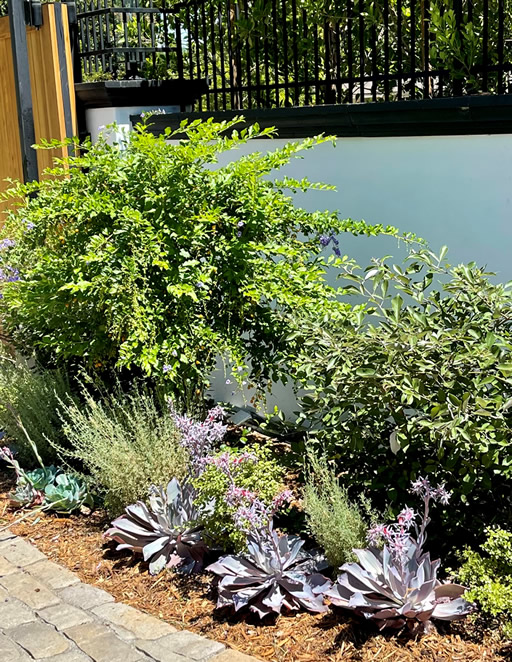
We lean on California native plants for most of our drought tolerant designs, since they're already adapted to the region's dry summers and rarely need supplemental water once established. A few we come back to often are California Lilac, Hoary California Fuchsia, California Poppy, and Yarrow. Beyond how they look, native plantings like these typically need far less water than a non-native lawn or garden bed, which is where most of the water savings actually come from.
Switching from Sprinklers to Drip Irrigation
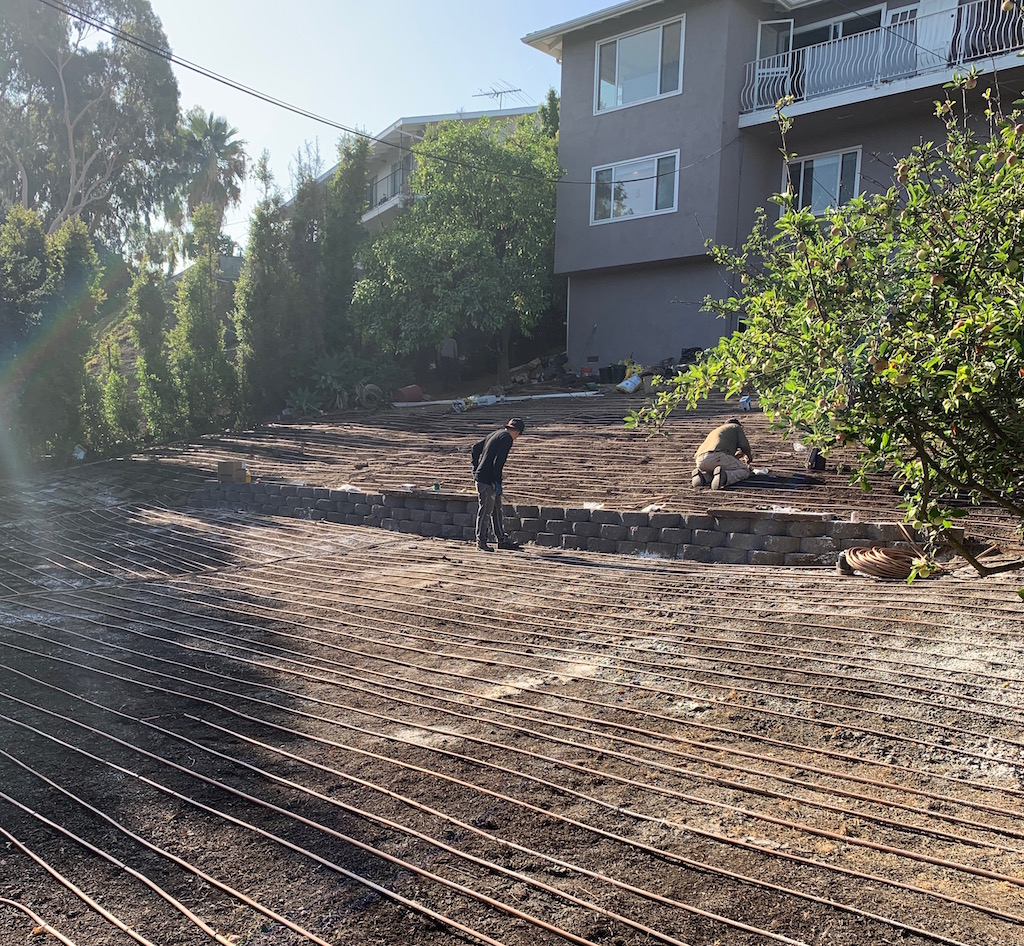
Most of the water waste in an older landscape comes from the irrigation, not the plants. A traditional pop-up sprinkler sprays a wide, fairly uncontrolled pattern of water, a good amount of which evaporates before it reaches the soil or drifts off target on a windy day. As part of our drought tolerant installs, we typically convert those sprinklers to drip irrigation: a perforated hose that delivers a small, steady amount of water right at the base of each plant. Less water gets wasted, and the plants tend to do better for it.
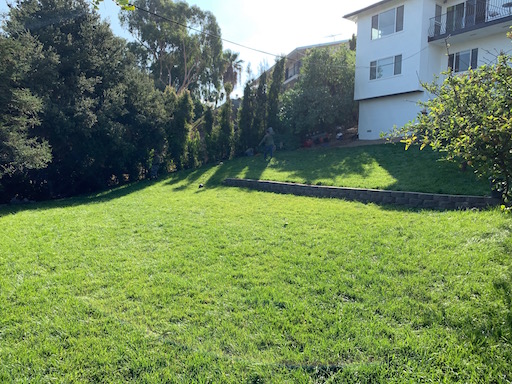
Decomposed Granite Pathways
Decomposed granite (DG) is a crushed stone material we use often in drought tolerant designs, mainly as a permeable alternative to turf or poured concrete for pathways and patios. With a stabilizer added, it compacts into a hard, walkable surface that works for trails, patios, and even driveways.
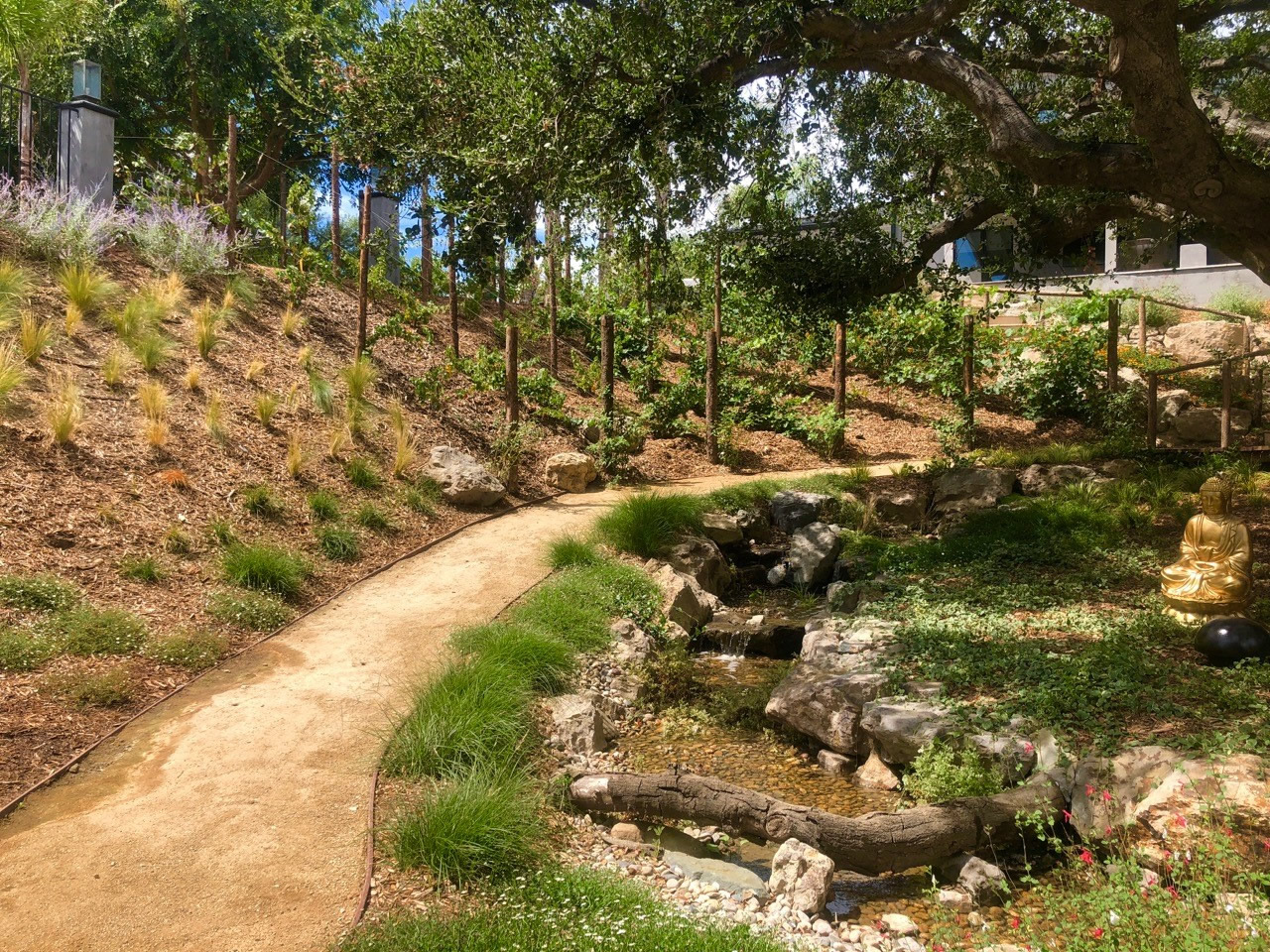
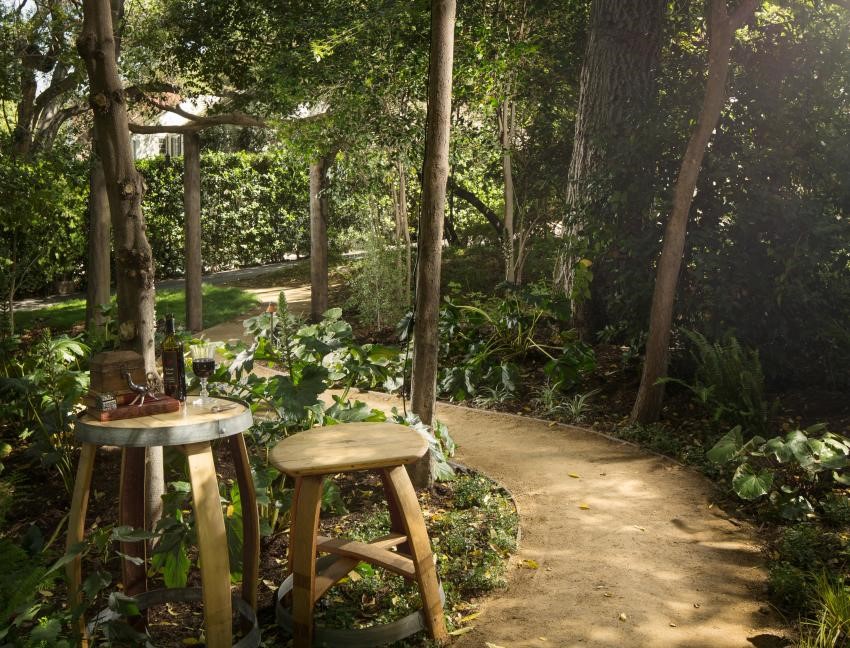
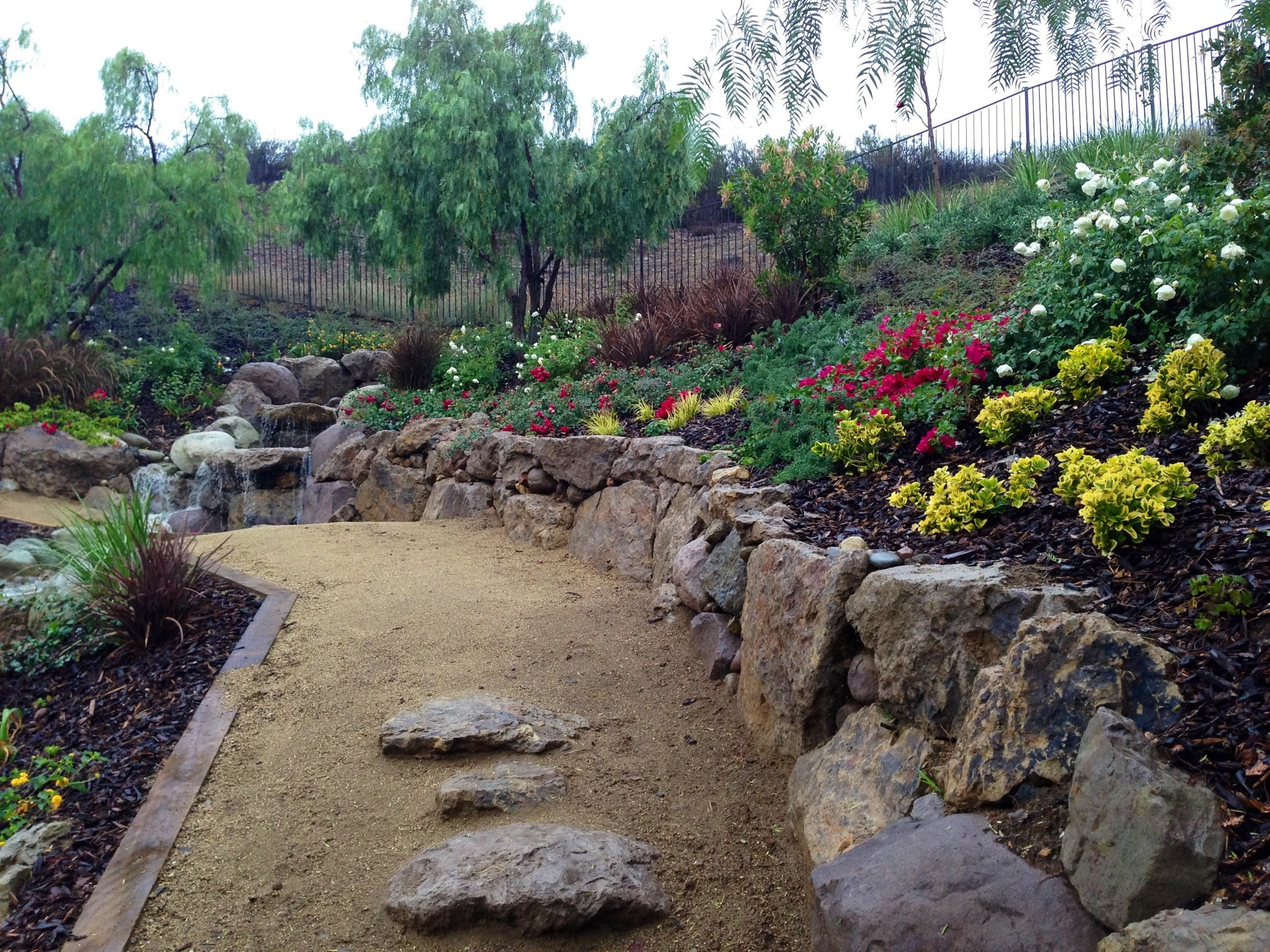
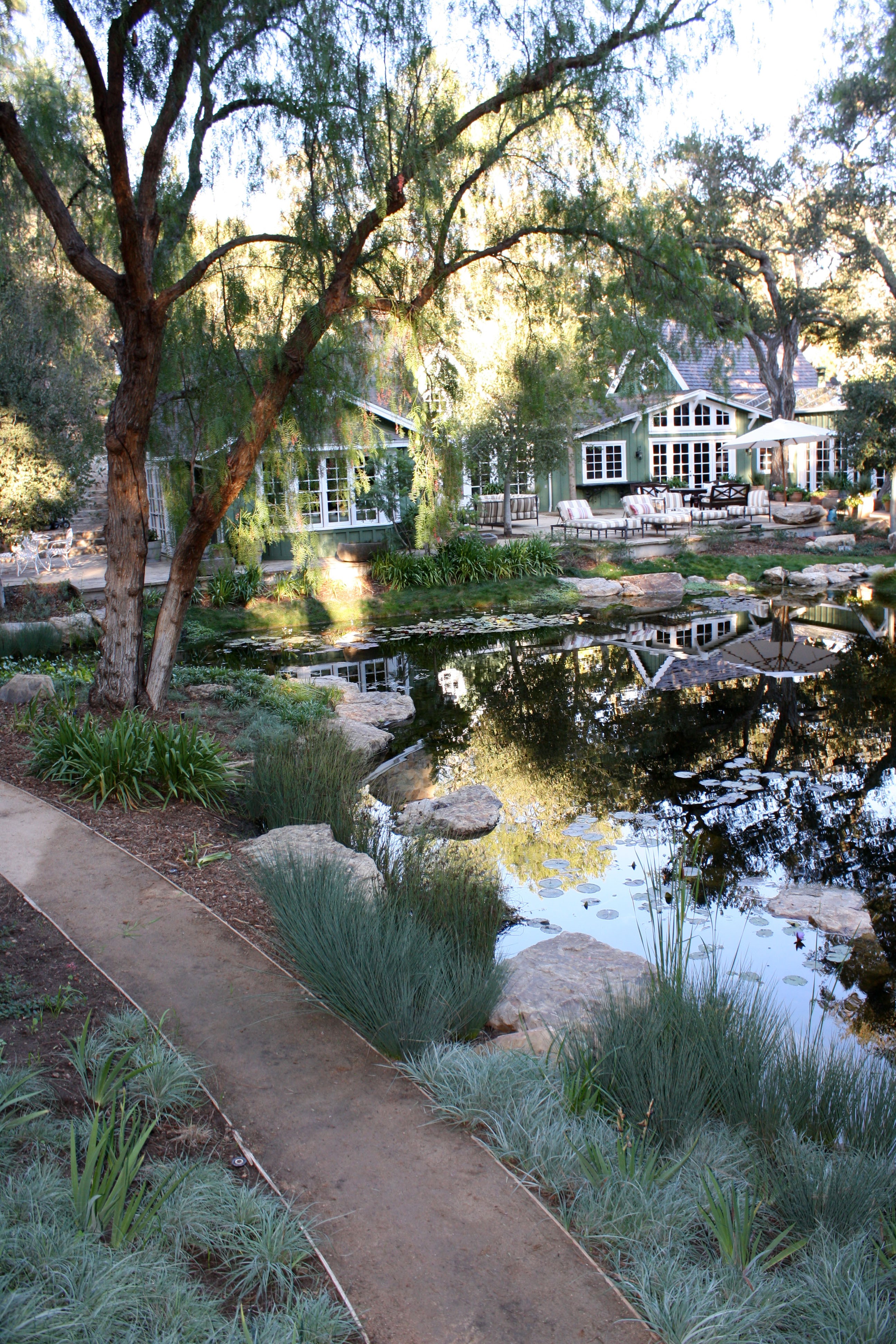
See more examples on our granite pathways page.
Less Water, Less Work
The appeal of drought tolerant landscaping isn't only about doing right by a state that's regularly short on water. It tends to mean a lower water bill, since native and low-water plants need a fraction of the irrigation a traditional lawn does. It also tends to mean less maintenance over time: no weekly mowing, fewer plants that need constant attention, and an irrigation system that's already built to be efficient. Many homeowners find it adds to the property's overall appeal too, since a well-designed, drought tolerant yard reads as intentional and well cared for, not like a yard that gave up on landscaping to save water.
Choosing Your Plants
If you'd like to look through specific plant options before we talk, our drought resistant plants selection covers the ground covers, shrubs, trees and lawn alternatives we draw from most. Otherwise, the easiest next step is to reach out to us for a free estimate, or call Mystic Water Gardens at 818-424-6836.